MaxiHZ
The Mediterranean diet for gut health is more than a set of recipes—it’s a daily approach that gently transforms your digestion, boosts energy, and lightens your mood. Science shows that a vibrant, balanced gut can change your life. Use this practical guide to bring Mediterranean habits and real wellness into your routine—one meal and one mindful shift at a time!
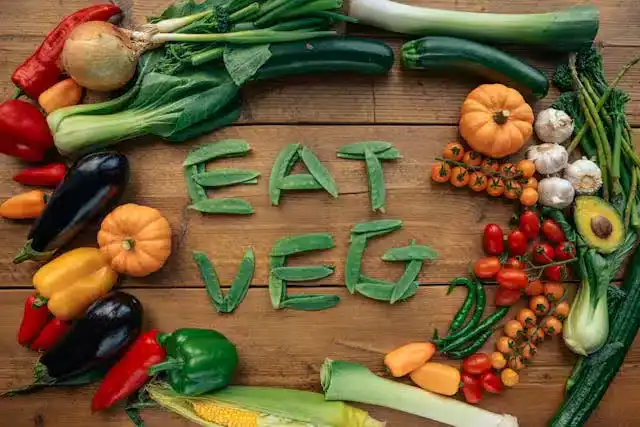
Why the Mediterranean Diet for Gut Health Works ⚡️
When your gut is happy, you feel it everywhere—from your morning focus to your evening energy. The Mediterranean diet for gut health supports a thriving microbiome, keeps inflammation at bay, and protects your system from the inside out.
1. Which of these foods is a key source of prebiotics in the Mediterranean diet?
- Brings fiber-rich veggies, fruits, legumes, and whole grains into daily life
- Uses extra virgin olive oil and omega-3 fish for gentle, gut-loving fats
- Prioritizes live-culture yogurt, kefir, and fermented veggies for probiotic power
- Steers you away from processed snacks and hidden sugars

Small change, big ripple effect. Swapping a single processed snack for fresh fruit or olives can make a difference you feel within days!
Remember: You’re not erasing your habits—you’re upgrading them, one small swap at a time.
Scientific evidence strongly supports the profound impact of this dietary pattern. Research published in PubMed and academic journals like Nutrients consistently demonstrates that the Mediterranean eating plan enhances gut microbiota diversity, reduces systemic inflammation, and improves metabolic function. These studies highlight the beneficial effects of its key components—extra virgin olive oil, fiber-rich vegetables, and lean proteins—on gut bacteria composition and activity.
The European Gastroenterology community further emphasizes the diet’s role in maintaining digestive wellness and preventing chronic diseases. For practical guidance and validated information on implementing this lifestyle for improved digestion, reputable organizations such as the United European Gastroenterology (UEG), MedlinePlus, and the Guts UK Charity offer comprehensive resources. This gut health diet is not merely a trend, but a scientifically-supported approach to long-term well-being.
How the Mediterranean Diet Tackles Common Digestive Complaints 🥗
Tired of bloating, sluggishness, or unpredictable digestion? The Mediterranean diet for digestive health doesn’t just avoid problem foods—it actively nourishes and rebuilds your gut lining, one forkful at a time.
- Reduces uncomfortable bloating by favoring natural, simple ingredients
- Delivers prebiotics (like leeks, artichokes, and beans) to fuel your healthy gut bacteria
- Boosts microbiome diversity, helping restore balance and helping immunity
- Eases IBS and sensitive guts by lowering inflammation

By gently adding more fiber and natural foods, and dialing back on “hidden” additives, you can start to feel lighter and more comfortable. If you’re interested in nutrition plans that emphasize simplicity and minimal cooking skills while supporting metabolism and gut health, check out our detailed guide: The Lazy Person’s Low Carb Diet Plan: 7 Days Without Cooking Skills — perfect for effortless, gut-friendly meal strategies.
Tip: Notice subtle wins—like more regular mornings or clearer skin! Progress is often in the details.
Building Your Personal Mediterranean Gut Routine 🗂️
Generic advice rarely fits all. Let’s map out a flexible but effective structure customized for real lives, real work and real digestive goals:
- Jot it Down: Keep a food diary for 3 days. What repeats? What’s missing?
- Spot the Gaps: Is there a veggie drought? Not enough fermented foods or healthy fats?
- Gentle Swaps: Try replacing white bread/rice with whole grains, or chips with nuts.
- Add Prebiotics: Bring in one new high-prebiotic veggie a week (like onions or leeks).
- Power Up Fermentation: Aim for a daily bite of natural yogurt or pickled veg.
- Play with Protein: Rotate red meat out for fish or legumes twice a week.
📝 After a week, review your log. Did you notice any energy boosts, new favorite meals, or less discomfort?
Advice: Each positive change deserves a pat on the back. It’s about enjoying food and progress—not rules!
Key Mediterranean Foods for Great Gut Health 🥒🫒🐟
Some foods do more than feed your hunger—they elevate your gut’s well-being:
- Prebiotic All-Stars: Artichokes, asparagus, leeks, onions, garlic
- Fiber Champions: Lentils, beans, barley, oats
- Fats that Heal: Extra virgin olive oil, walnuts, flaxseed
- Protein Variety: Seafood (like salmon, sardines), legumes, eggs
- Fermented Friends: Greek yogurt, kefir, sauerkraut (go for low-sugar, live-culture kinds)
- Colors of the Rainbow: Berries, pomegranates, citrus
Try building a “rainbow plate” during the week—your gut bacteria love variety.
Tip: Shoot for 20–30 unique plant foods weekly for microbiome magic! Diversity is king.
Mediterranean Swaps for Real Life (and Real Guts) 🍊
You don’t have to be a chef to Mediterranean-ize your plate. Use these easy swaps in your daily routine:
- White bread → Whole grain sourdough or rye
- Vegetable oil → Extra virgin olive oil for salads and cooking
- Flavored yogurt → Unsweetened live-culture yogurt + berries
- Protein bar → Fresh fruit, nuts or a boiled egg
- Red meat (some dinners) → Baked fish, beans, or chickpeas
- Ketchup or mayo → Homemade hummus, olive tapenade, or tzatziki
🌱 Track your swaps and how you feel—sometimes the smallest change brings the biggest relief!
Measuring Progress: What to Notice on Your Journey 📆
As you lean in to the Mediterranean diet and gut microbiome, expect improvement to be subtle—more about day-to-day wellness than overnight miracles.
- Bowels become more regular and predictable
- Cravings for heavy snacks or sweets start to drop
- Energy and focus lift, especially after lunch
- Eating fiber and new veggies becomes easier, not harder
- IBS, heartburn, or bloating gradually take a back seat
Keep a dedicated “gut journal” (even just notes on your phone) to capture the positive shifts—awareness will keep you moving forward!
Tip: Celebrate mini-wins, even if it’s just feeling less sluggish on Mondays.
Troubleshooting: Adjusting the Mediterranean Diet for Sensitive Guts 🛠️
If new foods spark temporary bloating or discomfort, don’t stress—your gut is adapting and learning!
- Start slow with beans and raw veggies—steam or roast first if needed
- Notice if certain foods (like onions or some fruits) trigger IBS symptoms—work with lower-FODMAP swaps like zucchini or rice
- If unsure, introduce just one new gut-friendly ingredient every 3 days
Consult your doctor or dietitian if severe discomfort continues. Remember, no plan fits everyone perfectly.
Advice: Progress is personal. Your “perfect” Mediterranean approach is the one you enjoy and can stick with!
Lasting Gut Health Starts with Small, Steady Changes 💚
Creating a healthier gut with the Mediterranean diet for gut health doesn’t mean you have to change your lifestyle overnight. Real progress builds on long-term habits made up of small daily actions and mindful adjustments.
- Track your reactions to new gut-friendly meals—like swapping butter for extra virgin olive oil. This helps you understand which Mediterranean diet for digestive health strategies suit you best.
- Gradually increase plant-based foods—lentils, leafy greens, seeds—to nourish your microbiome and ease your digestion.
- Reflect weekly: Are you experiencing more comfort and less bloating? Notice improvements and refine your plan. The Mediterranean diet and gut microbiome thrive on continuous observation and gentle changes.
If you want to take your healthy habits further and discover how to create a weight loss plan truly tailored to your needs, don’t miss our in-depth guide: The Best Diet for Weight Loss: Craft Your Personalized Plan. This resource walks you step-by-step through building a truly effective eating strategy that fits your lifestyle, supports your goals, and sets you up for long-term success.
In the long run, a diverse gut flora will help regulate appetite, maintain healthy weight, and provide daily energy through balanced digestion.
Tip: If you tailor the Mediterranean diet for IBS to your unique needs and pace, you’ll get consistent, sustainable results. Keep noticing what works—your gut will thank you. 🌞
In Conclusion
The power of the Mediterranean diet for gut health lies not in restrictions or rules, but in enjoyable meals, food variety, and steady change. By putting your digestive well-being first, experimenting with new foods, and tuning in to your body’s signals, you’ll unlock the full benefits of the Mediterranean diet for digestive health.
Whether you want to support your energy, ease IBS, or simply enjoy food that makes you feel good, the Mediterranean diet benefits for microbiome, digestion, and overall health are always within reach—one delicious meal at a time. ✨