MaxiHZ
Why Mindfulness Meditation for Anxiety Is Your Ultimate Stress-Relief Tool
Hey, it’s MaxiHZ! If anxiety feels like a constant storm in your mind 🌪️, mindfulness meditation for anxiety is the tool to help you regain control. It’s not just a buzzword — it’s an effective way to pause racing thoughts and find clarity ⚓.

Feeling overwhelmed? Learn how mindfulness meditation for anxiety can restore your emotional balance. Instead of battling anxiety, shift your perspective with simple mindfulness practices — observe your thoughts and feelings without judgment. Picture your anxiety as a passing cloud ☁️ that you let drift away.
These techniques reduce stress, improve focus, and bring back inner calm. And yes, they really work! Start small — just 5 minutes of mindful anxiety meditation daily can make a big difference. Remember, you’re not alone, and I’m here to help you find your calm 🧘♂️✨.
Practicing mindfulness meditation not only helps manage anxiety but can also be a powerful tool in overcoming unhealthy habits like smoking.
How to Make Mindfulness Meditation for Anxiety a Daily Habit That Works
MaxiHZ here! I know it’s challenging to make time for meditation. But mindfulness meditation for anxiety isn’t about lengthy sessions—it’s about incorporating small mindful moments into your day.
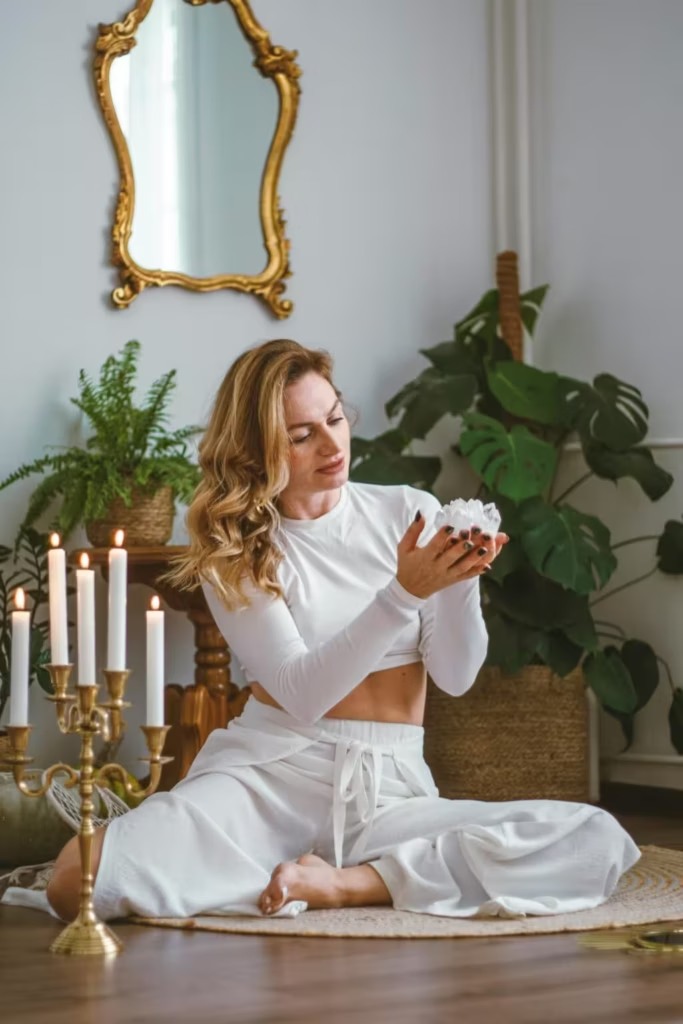
Embodying the power of mindful practice, she holds a crystal, a consistent and calming technique for managing anxiety.
Try brief techniques like focusing on your breath, tuning into your body, or calmly observing your thoughts without getting carried away. The 4-7-8 breathing technique is an easy way to quickly calm your nervous system 🌬️.
Consistency is key 🔑. Just 5–10 minutes each day can alleviate anxiety and improve your mood. Integrate mindfulness meditation for anxiety into your morning, evening, or even walking routine. It’s effective anytime, anywhere.
Be patient with yourself—change takes time, but it’s worth the effort. You deserve peace, and mindfulness meditation for anxiety is here to support you. I believe in you! 🚀💙
The ABCs of Mindfulness Meditation for Anxiety
Now that we know why mindfulness meditation works, let’s dive into how to practice it. Think of these as simple yet powerful tools to ease anxiety.
A – Awareness: Focus on what’s happening right now—your thoughts, feelings, and bodily sensations. Don’t judge them; just notice. For example, if your heart races or your mind wanders anxiously, simply acknowledge it: “I see you, anxiety.”
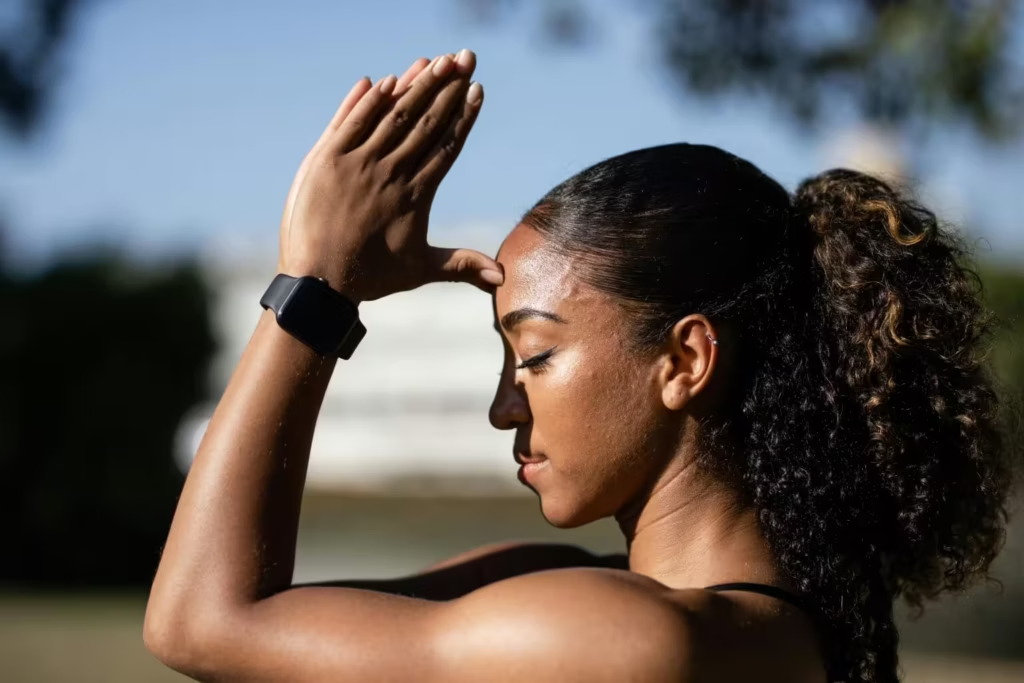
B – Breath: Your breath is your steady anchor ⚓, always available to calm your nervous system. Try the 4-7-8 breathing method—this simple exercise can bring instant calm.
C – Compassion: Be gentle with yourself. Anxiety is challenging, and you’re doing your best. Treat yourself with the kindness you’d offer a friend. Remember, you’re not alone 🫂. Prioritizing your mental health matters.
These simple practices, when done regularly, can make a huge difference in how you experience anxiety. It’s about building a toolkit for calm ️. And can also help in stress reduction.
Your Step-by-Step Mindfulness Meditation Practice to Ease Anxiety
Let’s get practical! ✨ This simple mindfulness meditation for anxiety routine can be done anytime, anywhere. The goal? Find what suits you and gently invite calm into your day. For tips on mindfulness and anxiety relief, visit the Anxiety & Depression Association of America’s article on mindfulness meditation for anxiety.
Step 1: Find Your Quiet Space 🧘♂️
Pick a spot where you feel safe and won’t be interrupted. It doesn’t need to be perfect — just your personal calm corner.
Step 2: Settle In Comfortably 🪑
Sit, lie down, or stand—choose what feels natural. Keep your posture relaxed but attentive to stay focused.
Step 3: Anchor Your Attention on Breath 🌬️
Close your eyes or soften your gaze. Notice your breathing—whether in your belly or nostrils. Let it be your steady anchor, gently guiding you back when your mind wanders. For scientific insights on mindfulness and its benefits, check the American Psychological Association’s overview.
Step 4: Watch Thoughts Without Judgment 💭
Your mind will drift—that’s normal. When a thought arises, acknowledge it kindly: “I see you, anxiety.” Then, return your focus to the breath. This mindful noticing is the heart of anxiety meditation.
Step 5: Tune Into Body Sensations 🧠
Expand your awareness to physical feelings—tension, warmth, tingling. Observe them without trying to change anything. This deepens your connection to the present moment.
7 Steps to Calm
-
Find a Quiet SpotChoose a safe, undisturbed place. It’s your mindful sanctuary.
-
Get ComfortableSit, lie, or stand — relaxed but alert posture supports focus.
-
Focus on Your BreathNotice your breath as your anchor. Gently return to it when distracted.
-
Observe Thoughts Without JudgmentAcknowledge anxious thoughts, then return to your breath.
-
Tune Into Body SensationsNotice tension, warmth, or tingling — just observe, don’t judge.
-
Practice Patience and KindnessBe gentle with yourself. Every day is different; self-compassion is key.
-
Reflect and Carry Calm ForwardNotice how you feel. Set an intention to bring mindfulness into your day.
Step 6: Practice Patience and Kindness ❤️
Remember, mindfulness is a practice, not a performance. Some days are easier than others—be gentle with yourself and keep showing up. Self-compassion is essential in managing anxiety.
Step 7: Reflect and Carry Calm Forward 🌟
After your session, slowly bring your awareness back. Before opening your eyes, notice how you feel. Even small changes count! Set a simple intention like “I’ll return to my breath when overwhelmed” or “Today, I choose kindness.” This helps carry mindfulness beyond meditation into daily life.
Open your eyes slowly and move mindfully, carrying this calm with you. Each time you practice mindfulness meditation for anxiety, you’re training your brain to respond with peace and resilience.
You’ve got this! I’m cheering you on every step of the way 🚀💙
How to Build a Lasting Habit of Mindfulness Meditation for Anxiety 🌱✨
Starting a daily mindfulness meditation practice for anxiety can feel tough, but with the right steps, it becomes a natural and even enjoyable part of your day. Here’s how to set yourself up for lasting success:
- Start small: Begin with just 2–5 minutes daily—maybe before brushing your teeth or right after waking up.
- Tie it to routines: Link meditation to existing habits like your morning coffee or commute.
- Use tech: Set gentle reminders or explore apps offering anxiety-focused sessions.
- Find support: Join online communities or local groups for encouragement.
- Be gentle: Accept that some days won’t be perfect—consistency matters more than perfection.
- Bring mindfulness everywhere: Practice it during meals, walks, or chores.
- Celebrate progress: Notice your growth and small wins along the way.
Building this habit takes patience and kindness toward yourself. Keep at it, and mindfulness meditation for anxiety will become your steady source of calm. MaxiHZ believes in you! 🌟💙
Why This Practice Helps
When anxiety takes over, your mind can feel overwhelmed. But your breath is always there to guide you back to calm. That’s why mindfulness meditation for anxiety often starts with simple breathing exercises you can do anytime, anywhere.
Try the 4-7-8 technique—a quick way to soothe your nervous system:
- Inhale quietly through your nose for 4 seconds.
- Hold your breath gently for 7 seconds.
- Exhale slowly through your mouth for 8 seconds.
Repeat 3–4 times. Feel your body relax, your heart slow, and your mind clear. This practice anchors you in the present moment, interrupting the cycle of worry.
Whether you’re stuck in traffic, at work, or lying in bed, this exercise is a powerful tool for finding peace. Remember—each breath brings you closer to calm. You’re stronger than you realize! 💙✨
Mindfulness Meditation for Anxiety: Dynamic Guide
Key Benefits
7 Steps to Mindfulness Meditation for Anxiety
- Find a quiet, comfortable space
- Get into a relaxed, alert posture
- Focus on your breath
- Notice thoughts without judgment
- Scan your body for sensations
- Be patient and kind to yourself
- Reflect and carry your calm forward
Try the 4-7-8 Breathing Technique
Daily Mindfulness Tips
- Start with just 5 minutes a day
- Anchor practice to a daily routine
- Use reminders or apps
- Join a mindfulness community
- Celebrate your progress
Easy Breathing Exercises for Mindfulness Meditation to Ease Anxiety 🌬️
Repeat this breathing cycle 3 to 4 times. Feel your body relax, your heart slow down, and your mind clear. This simple exercise is a key part of mindfulness meditation for anxiety, grounding you in the present and breaking the worry loop.
Wherever you are—whether stuck in traffic, at work, or resting—this breathwork is your go-to tool to regain calm and control. Every breath you take moves you closer to peace. You’re stronger than you realize! 💙✨
Mindful Body Scan — A Gentle Practice in Mindfulness Techniques for Anxiety Relief 🧘♀️
Anxiety often shows up as physical tension—tight shoulders, a racing heart, or a knot in your stomach. The good news is mindfulness meditation for anxiety relief can help you reconnect with your body and ease that tension gently.
Try this mindful body scan, a simple yet effective practice:
- Find a comfortable, safe spot. Sit or lie down, and close your eyes if you like.
- Begin by focusing on the top of your head. Notice any sensations—warmth, tightness, tingling—without trying to change them. Just observe.
- Slowly shift your attention down your body: neck, shoulders, arms, chest, all the way to your toes.
- If you notice tension or discomfort, imagine sending warmth and kindness there. Silently say, “It’s okay, I’m here with you.”
- Keep breathing softly and stay curious about what your body shares.
This practice builds awareness and compassion for your physical self, often overlooked when anxiety takes hold. It helps break the fight-or-flight cycle and invites calm throughout your body.
Add this mindfulness anxiety meditation to your daily routine—even 5 minutes can help. You deserve to feel safe and cared for in your own body. I’m cheering you on every step 🌿💫.
Mindfulness Meditation for Anxiety Quiz
Discover a Fresh Approach to Mindfulness Meditation for Anxiety 🌿✨
Mindfulness meditation for anxiety often gets stuck in the routine of “sit still and breathe.” But what if you could bring mindfulness into your life in more dynamic, creative ways? Let’s explore some unconventional practices that make mindfulness feel alive and personal—helping you calm your mind and body in ways that truly resonate.
1. Move Your Mindfulness: Meditation in Motion 🚶♀️💫
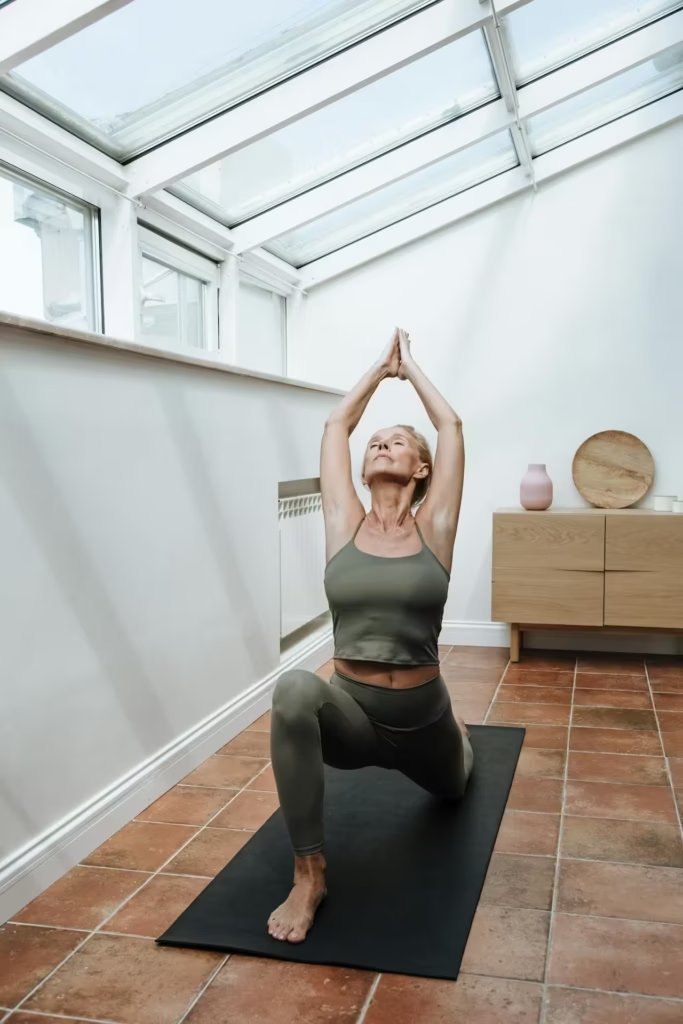
Skip sitting still and try mindfulness through movement! Walking meditation, gentle yoga, or tai chi invite you to focus on bodily sensations in motion. Feel your feet connect with the ground and your breath sync with each step. This active practice grounds you in the present, easing anxiety without forcing stillness.
2. The “Red Light” Pause: Mindfulness in Everyday Moments 🛑🌬️
Turn everyday pauses—like waiting at a red light—into mini mindfulness breaks. Use these moments to notice your breath and release tension. This simple habit transforms ordinary time into powerful anxiety relief woven seamlessly into your day.
3. Crystal Clear Calm: Mindfulness with Healing Stones 💎🌈
Hold a calming crystal, such as amethyst or blue lace agate, during practice. Focus on its texture, temperature, and color. This tactile anchor quiets racing thoughts and deepens your connection to the present, adding a unique sensory layer to your meditation.
4. Laugh It Off: The Joyful Side of Mindfulness 😂💖
Laughter naturally relieves stress. Try laughter meditation—even a fake chuckle quickly turns genuine. This joyful practice releases tension, lifts your mood, and shows mindfulness can be playful and lighthearted.

5. Body Scan with Heart 🧘♂️💓
Lie down and slowly bring your attention from your toes up to your head, noticing any sensations without judgment. This gentle body scan helps you become aware of where anxiety shows up physically and encourages relaxation, nurturing a kinder connection with your body.
6. Mind-Bending Koans: Expanding Awareness 🤔🌀
Challenge your mind with koans—paradoxical questions like “What was your face before your parents were born?” This shifts focus from anxious loops, opening space for fresh perspectives and calm.
7. Sound Awareness: Mindfulness Through Listening 👂🎶
Tune into surrounding sounds without labeling them good or bad. Whether birdsong, traffic, or chatter, simply observe. This trains your mind to stay present and reduces reactivity to stress triggers.
8. Guided Visualization: Journey to Calm 🌅🧠
Use guided imagery to transport yourself to a peaceful place. Engage all senses—see colors, hear sounds, feel textures. Visualization enriches mindfulness by creating a vivid mental refuge.
9. Cultivating Kindness: Loving-Kindness Meditation 💕🕊️
Repeat affirmations like “May I be safe, may I be peaceful.” This nurtures compassion for yourself and others, softening anxiety’s grip and building emotional resilience.
By embracing these varied approaches, mindfulness meditation for anxiety becomes a living, breathing practice—one that fits your unique rhythm and helps you find calm in unexpected ways. Mix these techniques into your routine and watch your anxiety ease with creativity and warmth. 🌟🧘♀️
Tips for Making Mindfulness Meditation for Anxiety a Daily Habit ✨
Incorporating mindfulness meditation for anxiety into your daily routine can change how you handle stress and experience life. Here’s how to stay consistent and build a lasting habit:
- Start small: Just 5 minutes a day can have a meaningful impact without feeling overwhelming. ⏱️
- Set gentle reminders: Use phone alerts or sticky notes to prompt yourself to pause and breathe. 📱
- Find support: Join mindfulness or anxiety-focused groups to keep your motivation strong. 🤝
- Embrace perseverance: Some days will be easier than others—keep showing up. Consistency matters more than perfection. 💪
- Bring mindfulness into everyday activities: Practice mindful walking, eating, or chores to stay grounded throughout the day. 🌿
By weaving these tips into your life, you’re not only managing anxiety but also building lasting calm and resilience. Remember, mindfulness meditation for anxiety is a journey—be patient and kind to yourself. MaxiHZ is cheering you on! 🌟💙
In Conclusion
That’s your guide to discovering calm through mindfulness meditation for anxiety. Remember, this is a journey, not a destination. Be gentle with yourself, celebrate every bit of progress, and keep practicing. With each step, you’re moving closer to a calmer, more balanced life. Sending you positive energy ✨ and cheering you on every step of the way!